 (Image via
For most of history, checking on your health meant one thing: going to a clinic or hospital. If you had a chronic condition like heart disease or diabetes, your doctor could only get a snapshot of your health during your brief, occasional visits. It was like trying to understand a whole movie by only watching 10 seconds of it. The doctor had no idea what your blood pressure was during a stressful day at work, or how your blood sugar reacted to a specific meal. Today, that is all changing. Thanks to a boom in technology, the clinic is no longer the only place where health is monitored. Smart devices, wearables, and mobile apps are allowing people to track their conditions from the comfort of their own homes. This shift is giving patients and doctors a continuous, real-time view of health, leading to better outcomes, fewer emergencies, and a new sense of empowerment.
What is Remote Patient Monitoring?
The official term for this trend is "Remote Patient Monitoring," or RPM. It is a simple concept: using technology to gather a patient's health data outside of a traditional medical setting. This data is then securely sent to their healthcare provider for review.
Instead of a doctor taking your blood pressure once every three months, a smart blood pressure cuff can take it every morning. Instead of a lab test for blood sugar every few months, a continuous glucose monitor can check it every five minutes.
This isn't about replacing doctors; it’s about giving them better information. RPM provides a rich, detailed picture of a patient's daily life, helping doctors spot dangerous trends before they turn into a crisis. It turns healthcare from a reactive system (fixing problems after they happen) into a proactive one (preventing problems before they start).
The Tools of the Trade
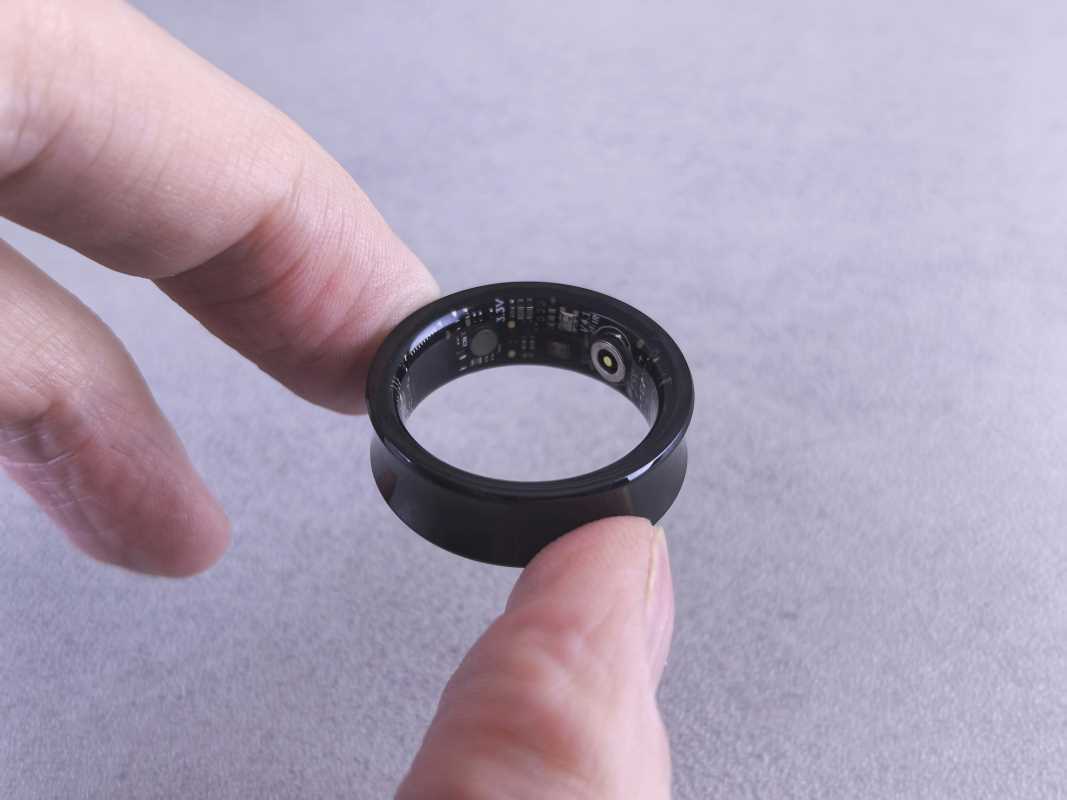
The technology powering RPM ranges from simple devices to sophisticated wearable sensors. You might already be familiar with some of them.
- Smart Blood Pressure Cuffs: These look like regular blood pressure cuffs but connect to your smartphone via Bluetooth. You take your reading, and the results are automatically logged in an app and can be shared with your doctor's office.
- Continuous Glucose Monitors (CGMs): For people with diabetes, these are a game-changer. A tiny sensor worn on the arm or stomach measures glucose levels in real-time, 24/7. The data is sent to a smartphone or a dedicated reader, showing not just the number but also whether it's trending up or down.
- Smart Scales: These scales don't just measure your weight. They can also track body fat percentage, muscle mass, and, most importantly for heart failure patients, subtle changes in body water that might signal a problem.
- Pulse Oximeters: These small clips go on your fingertip to measure the oxygen level in your blood. For people with lung conditions like COPD or asthma, tracking this number at home can provide early warnings of a flare-up.
- Wearable ECG/EKG Monitors: Many popular smartwatches now have the ability to take a single-lead electrocardiogram (ECG). If you feel a heart flutter or palpitation, you can record it instantly and send the reading to your cardiologist. This helps catch irregular heart rhythms, like atrial fibrillation (AFib), that might not show up during a doctor's visit.
A Real-World Scenario: Managing Heart Failure
To see the power of RPM, let's look at a common scenario.
Meet George, a 75-year-old man with congestive heart failure. One of the biggest risks for George is fluid retention, which can build up and lead to difficulty breathing and a trip to the emergency room.
The Old Way: George would see his cardiologist every few months. He was told to "watch for swelling in his ankles." By the time the swelling was obvious, he was already in trouble.
The RPM Way: George's care team sends him home with a "kit": a smart scale, a blood pressure cuff, and a simple tablet.
- Every morning, George steps on the scale. The tablet asks him a few simple questions: "Are you more short of breath today?" and "How many pillows did you sleep with last night?"
- His weight and answers are automatically sent to a nurse at his cardiology clinic.
- One Tuesday, the nurse sees that George's weight has gone up by three pounds in 24 hours—a classic sign of fluid buildup, long before his ankles would swell.
- The nurse calls George, asks him a few more questions, and then consults with his doctor. They decide to adjust his diuretic medication over the phone.
The result? George’s body gets rid of the extra fluid. He avoids a trip to the ER, and his condition is managed from his living room. A potential crisis was stopped because the technology allowed his care team to "see" a problem developing in real-time.
The Benefits Go Beyond Convenience
The most obvious benefit of RPM is convenience. It saves patients from the time, cost, and stress of frequent travel to a clinic. But the advantages run much deeper.
1. Better Health Outcomes: Studies have shown that patients using RPM for conditions like high blood pressure and diabetes have better control over their numbers. The constant feedback helps them understand how their lifestyle choices affect their health.
2. Increased Patient Engagement: When you track your own data, you become an active participant in your own care. Seeing how a walk after dinner lowers your blood sugar is more powerful than a doctor just telling you to exercise. It gives you a sense of control.
3. Fewer Hospitalizations: As in George's case, RPM helps catch problems early, reducing costly and traumatic emergency room visits and hospital stays. This is a huge win for both patients and the healthcare system.
4. Improved Access for Rural Patients: For someone living hours away from the nearest specialist, RPM can be a lifeline. It brings expert oversight directly into their home, closing the geographic gap in care.
Challenges and the Road Ahead
Of course, the transition to at-home monitoring is not without its hurdles.
- The Digital Divide: Not everyone has a smartphone or reliable internet access. Healthcare systems need to find ways to provide these tools to everyone, regardless of their income or tech-savviness. Many RPM programs now provide a cellular-connected tablet that requires no setup from the patient.
- Data Overload: Doctors and nurses can't be expected to watch a live feed of thousands of patients' data all day. The technology needs to be smart enough to filter the information and only alert the clinical team when a reading is outside a safe range.
- Privacy and Security: Health data is extremely sensitive. RPM platforms must use top-tier security to ensure that patient information remains private and protected from hackers.
All articles published on CurrentCares.com are created for informational and editorial purposes only. Readers are encouraged to verify details directly with official job and legal sources before making decisions. CurrentCares.com is not affiliated with, endorsed by, or officially connected to any company, brand, or legal authority unless explicitly stated.