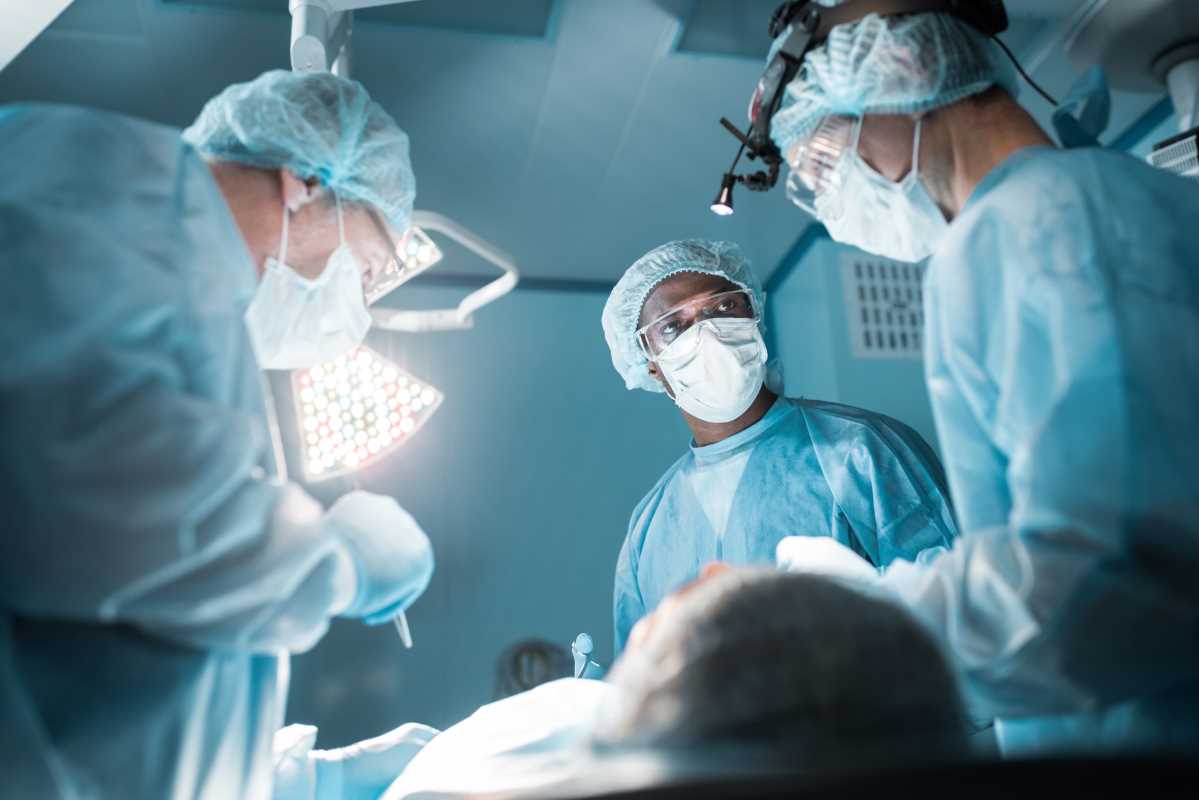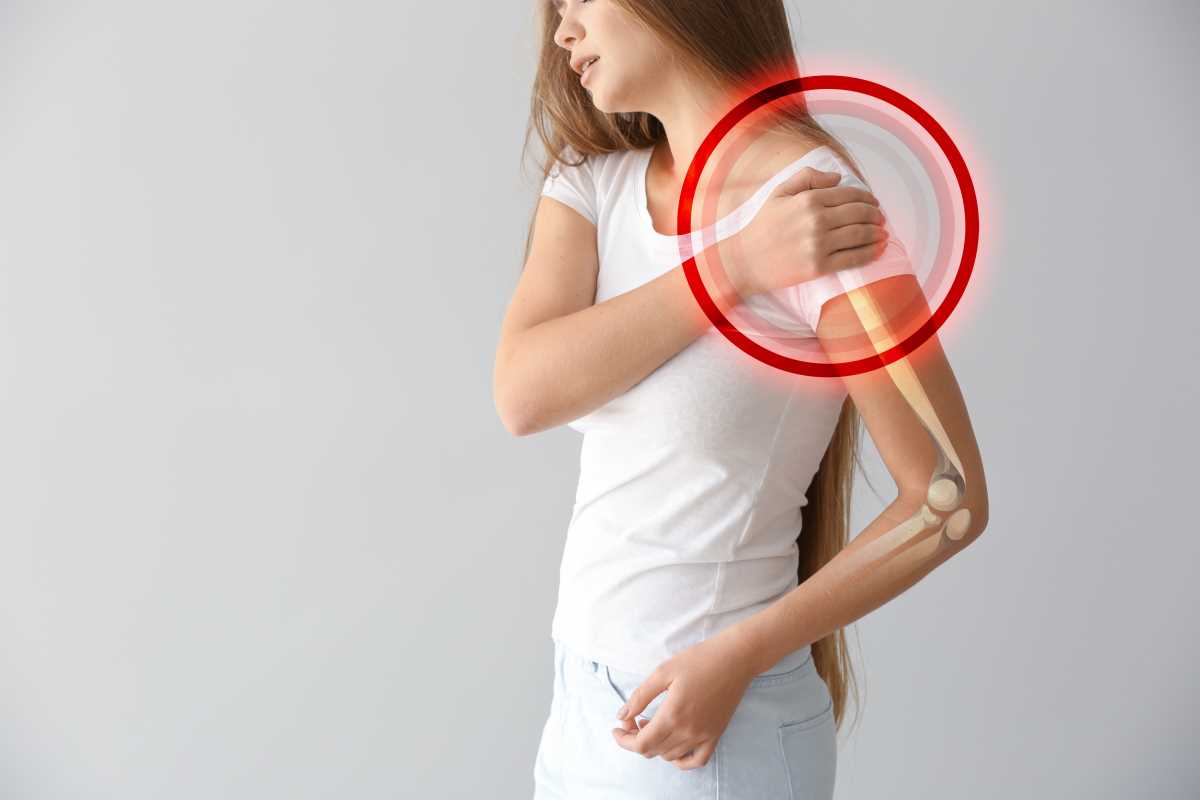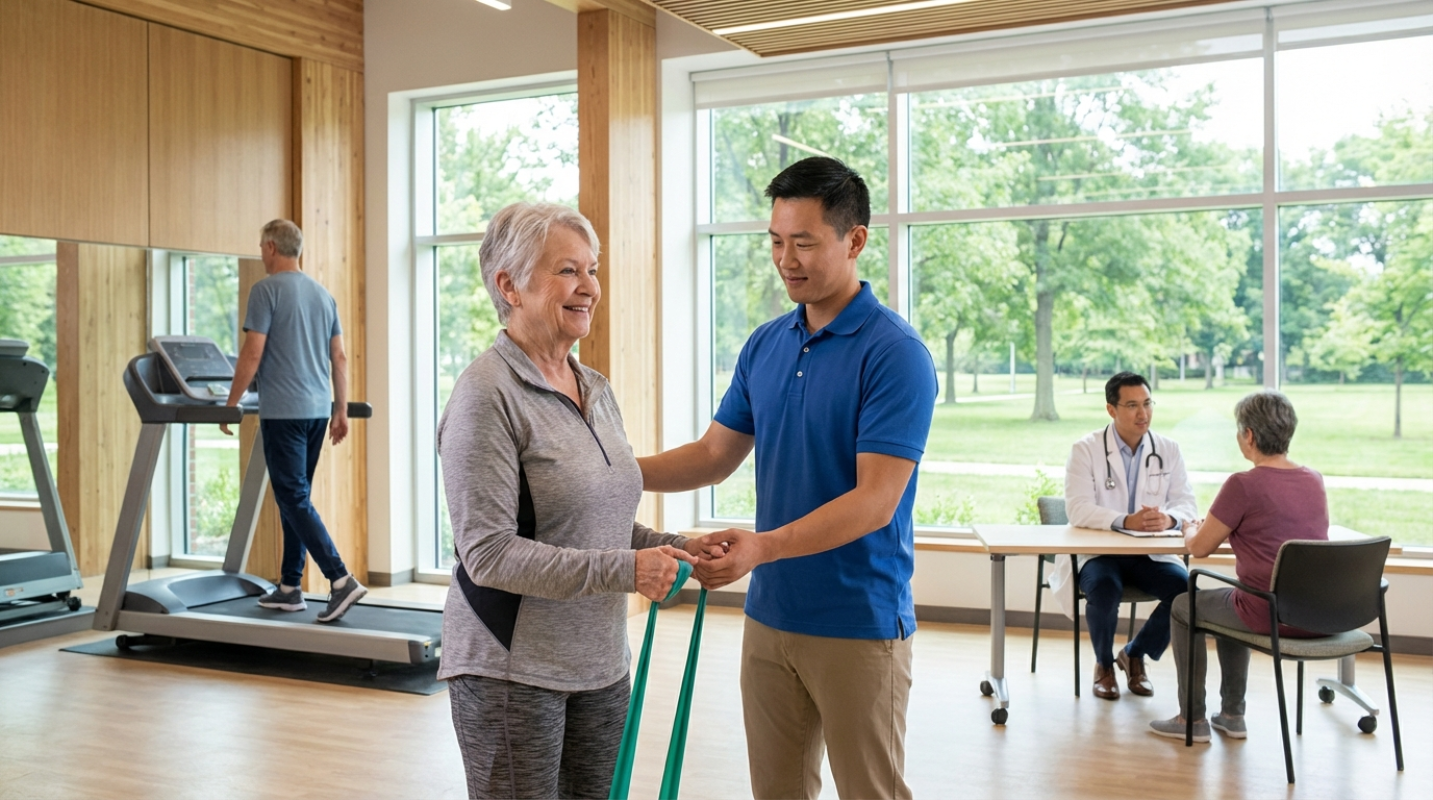
Have you ever thought about what "getting better" actually means? For a long time, the medical world focused almost entirely on the acute phase: stopping the bleeding, cutting out the tumor, or surviving the heart attack. But as we move through 2026, the conversation has shifted. It's no longer just about surviving the week. It's about how you're going to feel five, ten, or twenty years down the road. We're entering an era where recovery is defined by functional restoration. This means getting back to your morning jog, your high-pressure job, or just playing with your grandkids without pain. Modern treatments are moving away from temporary fixes and toward permanent biological changes. So, what does this actually look like in practice? Let's look at the breakthroughs that are changing the long-term prognosis for millions.
Targeted Therapies
Think of traditional medicine like a one-size-fits-all suit. It works for some, but it's baggy in the wrong places for others. Precision medicine is the digital equivalent of a custom-tailored Italian suit, designed specifically for your genetic code. By using biomarkers and genomics, doctors can now predict exactly how you'll respond to a specific drug before you even take the first dose.
In the world of oncology, this is a total game-changer. We've moved past the "slash and burn" approach of general chemotherapy. Data from recent years shows that immunotherapy is actually offering what look like potential cures for advanced cancers. Like, combination therapies like nivolumab and ipilimumab have shown a 96% melanoma-specific survival rate at the ten-year mark for patients who respond well.
But it's the new mRNA cancer vaccines that are really turning heads. By 2025, trials combining these vaccines with standard immunotherapy reported a 76% three-year survival rate for melanoma. Compare that to the 43% we saw with older methods. This isn't just about adding a few months to someone's life: it's about preventing the cancer from ever coming back.
Advanced Rehabilitation and Regenerative Medicine
Have you ever seen someone struggle through physical therapy after a stroke? It's grueling work. But the integration of AI-driven robotics and functional imaging has changed the math. In the last year, these neuro-robotic systems have improved upper-limb motor recovery in stroke survivors by 37% compared to the old-school exercises.
It's not just about "working harder" anymore. It's about "rewiring smarter." We're seeing this in orthopedics too, where recovery is being accelerated by biological integration. Instead of a standard metal plate, surgeons are increasingly using patient-specific 3D-printed implants. These devices reduce complication rates by over 20% because they fit your unique anatomy perfectly.
Then you have "smart" implants like the Persona IQ knee. These devices have sensors that tell your surgeon exactly how much stress you're putting on the joint and what your range of motion looks like in real-time. It takes the guesswork out of rehab. You aren't just hoping you're recovering well: you have the data to prove it.
Preventing Secondary Complications
Chronic diseases like heart disease and diabetes used to be a slow slide toward organ failure. But what if you could "turn off" the risk factors? We're seeing a massive shift toward "one-and-done" therapies. CRISPR gene-editing is now being tested to permanently lower LDL (bad) cholesterol by over 50% with a single dose.
Think about the implications of that. No more daily pills or monthly injections. Just one treatment that "edits" the PCSK9 gene in your liver. It's the same story with blood pressure. New RNA interference therapies, like Zilebesiran, can lower blood pressure for six months with a single shot. This eliminates the "missed pill" risk that so often leads to long-term strokes and heart failure.
Even the way we treat the aftermath of viral infections has changed. Large-scale trials found that using Metformin during the acute phase of an infection can reduce the incidence of Long COVID by up to 63%. This is proactive medicine at its best, treating the present to protect the future.
The Interdisciplinary Approach
Physical health doesn't exist in a vacuum. You can have the best surgery in the world, but if your mental health or nutrition is in the gutter, your recovery will stall. This is why the most successful treatment plans now integrate psychological support as a core component, not an afterthought.
One of the most surprising developments in 2025 and 2026 has been the rise of psychedelic-assisted therapy. For people dealing with the trauma of a major health crisis or PTSD, MDMA-assisted therapy has shown a 71% lasting relief rate at the one-year mark.¹ Similarly, psilocybin is seeing remission rates for depression near 58%. When the mind is resilient, the body follows suit.
We're also seeing this in addiction recovery. New research highlights that Contingency Management (a behavioral therapy using small rewards) combined with modern medications can reduce mortality by 41% within a year. Even GLP-1 medications, originally for diabetes, are being used to reduce alcohol cravings by 40%. It's all connected.
This article on Currentcares.com is for informational and educational purposes only. Readers are encouraged to consult qualified professionals and verify details with official sources before making decisions. This content does not constitute professional advice.